

KOINONIS
It's Not What You Know ... But Who

Sometimes it’s hard to see the forest for the trees ... or the feywild for the dryads, the wood for the treants, and so forth. Many of us, myself included, can spend too much time focusing on TTRPG systems, rule interpretations, and adventure adaptations, when the key ingredient to mirth and mayhem is actually the people we play with.
Game sessions run smoothly not as a result of a well designed ruleset ... but because of fellowship.
Players who have played with each other for several years develop a kind of synergy that becomes the real engine driving any tabletop roleplaying game. They trust each other, they balance each other, and they develop their own unique group storytelling ethos. They share the role of narrator and game master in subtle ways, learn to anticipate each other’s reactions and decisions, and settle into a shared sense of tone and play style. The group becomes a well-oiled machine.
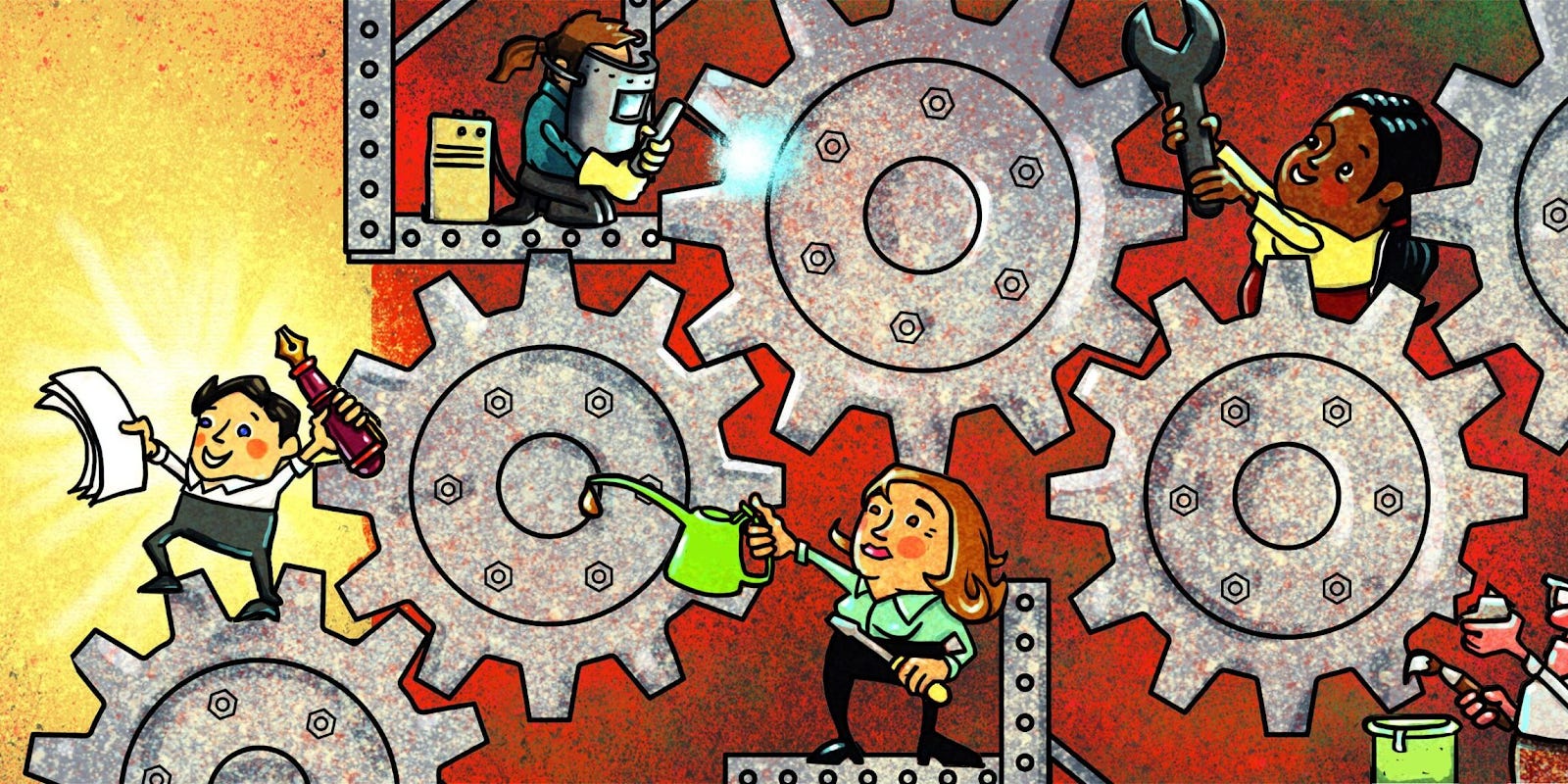
I am lucky enough to play with such a group. Together we have explored D&D 5e, Candela Obscura, AD&D, Dragonbane, My Little Pony RPG ... the list goes on. For the first year or so of running games for them I found that no matter how hard I tried to plan for their shenanigans I could never, in my wildest dreams and decades of experience, anticipate which direction a session would take.
Rather than being a frustrating development this was actually an invitation for me to trust these players. So, essentially, the moment when I realised that this was my favourite group of people to play with was when I pretty much stopped doing any preparation at all for their sessions. Not because I had become lazy ... but because I no longer needed to carry the whole creative load myself.
When a group plays together long enough it develops a kind of collective storytelling instinct. A subtle half-sentence hints that a disastrous plan is forming. A throwaway comment sparks ten minutes of character interaction. One player seizes on a detail the GM barely thought about and suddenly the entire session pivots in an unexpected direction. What once felt like chaos gradually reveals itself to be a beautiful form of collaboration.
Sometimes the online streams of TTRPGs can make us a little jealous. The players take control for long periods of time and the GM gets plenty of opportunities to sit back, relax, and become a cross between a spectator and a player. That’s quite different to what many of us experience when running games ... constantly improvising, innovating, reacting, cajoling and redirecting.
But with the right group that dynamic, that may or may not be forced or engineered by the YouTube generation, begins to emerge naturally. The GM becomes less of a plate-spinner frantically keeping everything in motion and more of a conductor leading an orchestra. A great gaming group is like the Sydney Symphony Orchestra ... and a bad one is like the local high school’s junior band.
I’m lucky with this group of mine. I know that there will never be a moment where I’m scrambling for the next idea, map, NPC, or dice roll. The players are invested and engaged. They have a wonderful balance of immersion, above-the-table anecdotes, rules discussions, triumphs and disasters.
So for all of my TTRPG game collection, analysis, design and nerding out ... it really doesn’t matter what we are playing.
Different systems are interchangeable. The fellowship is at the heart of the game.